
What Fills Your Cup? Why Healthy Relationships are Vital for Burnout Recovery.
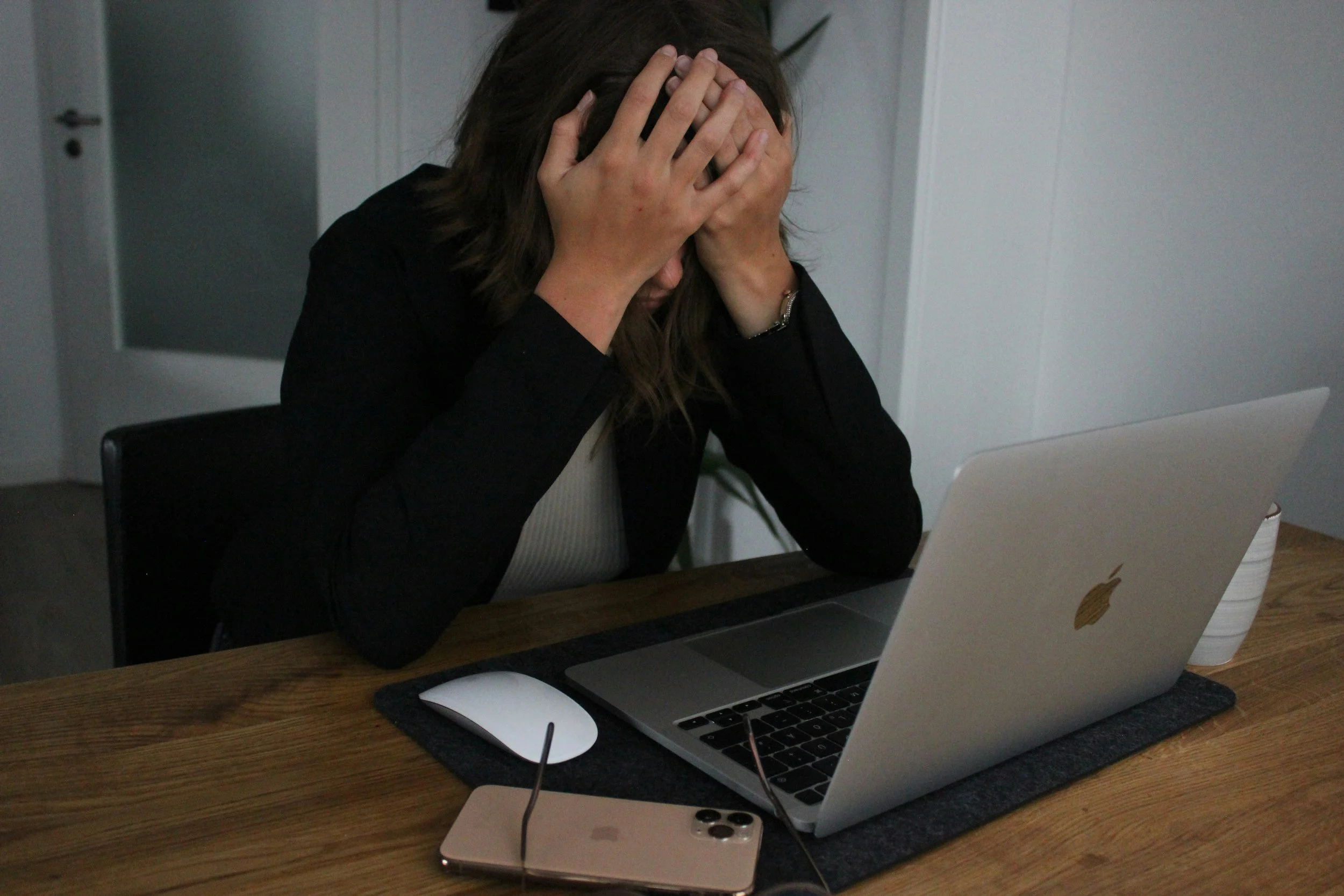



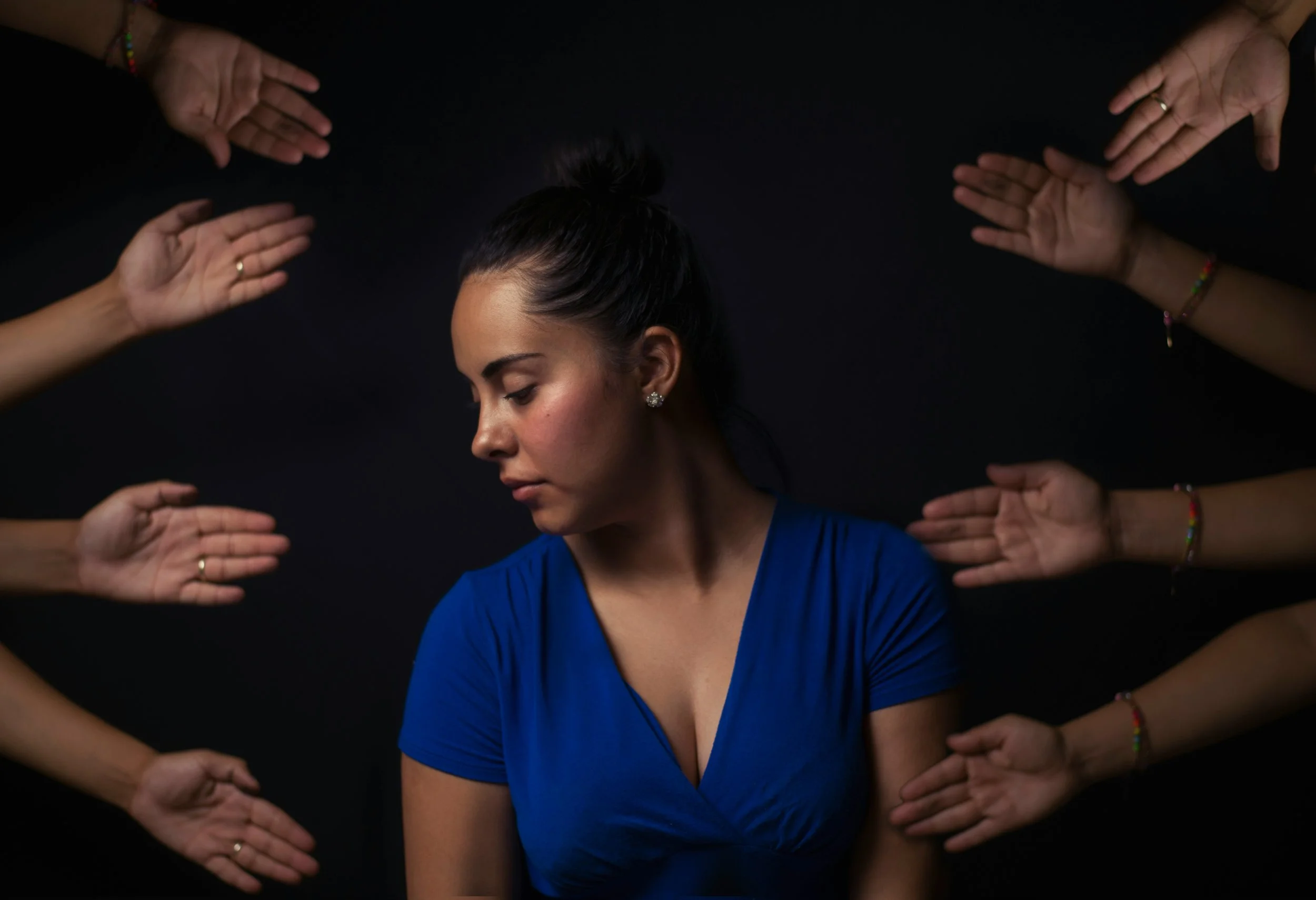
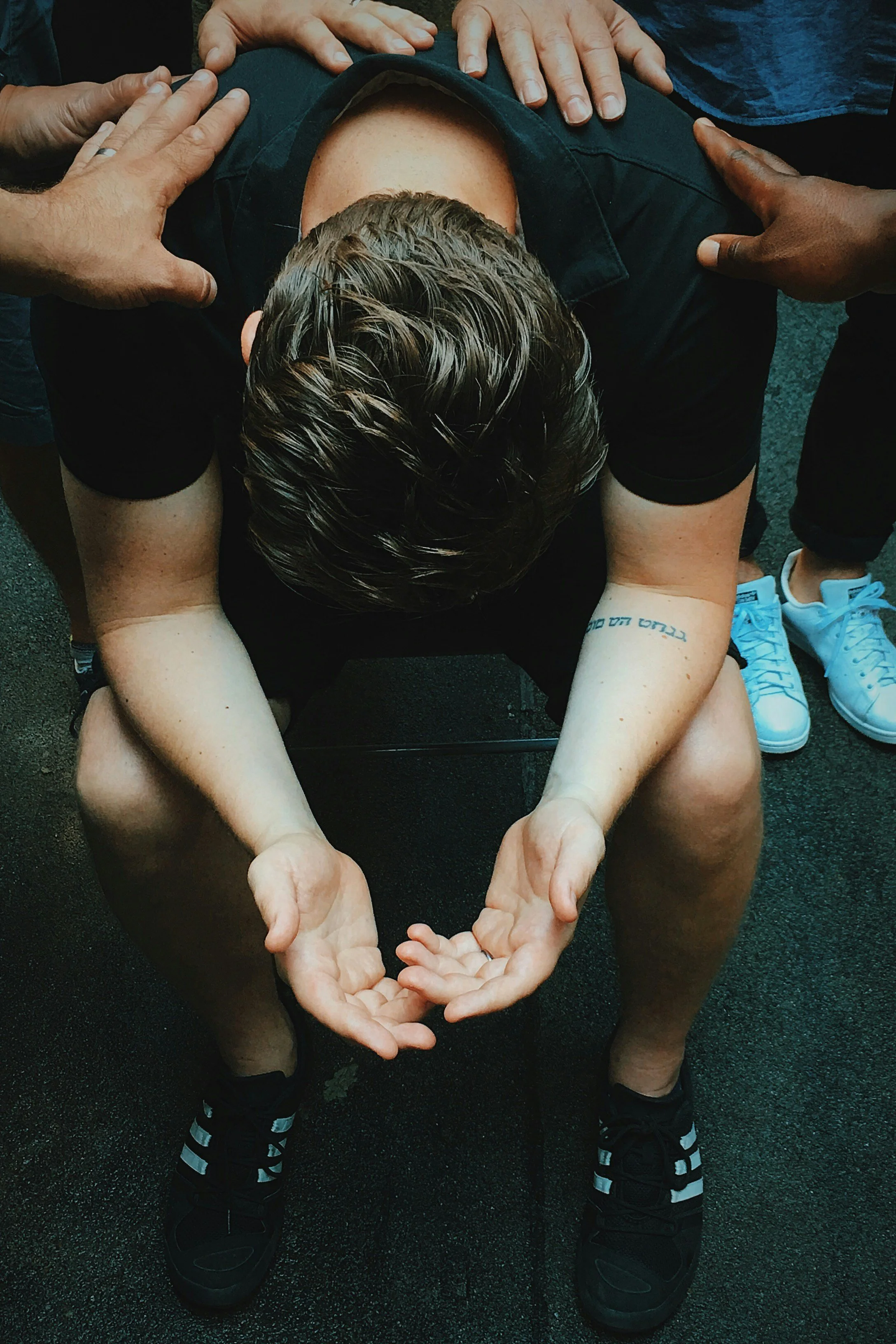
Success can be meaningful, fulfilling, and even euphoric at times. But success can also feel like a treadmill that you can’t step off of, whether it’s because deadlines are piling up, expectations are rising, or you’re just constantly chasing that high. You may feel your energy drop faster than your phone battery on a night out!
If you’re like most people I know, you might think that burnout is just about being too busy or having too much work. And yes, that’s part of it. But there’s a quieter part of burnout that I wanted to talk about today, one that has nothing to do with your office and everything to do with your connections.
I’m Colby Nguyen, a therapist at The Center For Relationships (TCFR) who specializes in relationships and burnout. When I’m first getting to know my clients, one question I like to ask
is: “What fills your cup?”
Because burnout isn’t just about what drains you. It’s about whether anything is filling you back up, like connecting with values or intentional recovery. And one of the most powerful “cup- fillers” we have, something that TCFR may argue is the most powerful, is our relationships.
Here’s why.
Our brains are built for connection (and built to panic when we lose it).
Though we like to think we’re stronger than we are, humans are surprisingly fragile when it comes to rejection. We may scoff and roll our eyes after finding out that we didn’t get an invite to an event, but our brains tell a different story. One of my favorite studies demonstrating this came from a simple game called Cyberball (Hartgerink et al., 2015). The setup is almost laughably simple: You sit at a computer screen with three stick figures passing a digital ball. One of the figures is you, and you can choose who to pass the ball to. The other stick figures are supposedly other people in the study. There were two conditions: one where the other players toss the ball at you generously, and onewhere the other players ignore you. The findings were fascinating. Participants who experienced this tiny slice of rejection in the second condition reported:
Higher emotional distress
Lower self-esteem
Lower sense of belonging
Lower sense of meaningful existence (you heard that right!)
The kicker? It doesn’t matter who is rejecting you. An ingroup, outgroup, or even a despised group is rejecting you? The brain reacts the same way. That’s how fundamental belonging is to our survival.
This pain of rejection isn’t metaphorical, either. MRI studies show that social rejection activates the same areas of the brain as physical pain (Kross et al., 2011). In other words, being rejected lights up your brain as if you are being burned! It’s no wonder that when life and work are already so stressful, losing connection pushes us to the edge.
Relationships: The hidden buffer against burnout.
So if rejection drains your cup, healthy connection does the opposite. Take this study:
Threats feel smaller when we’re not alone. In a classic study, people were asked to stand at the bottom of a steep hill while wearing a heavy backpack (Schall et al., 2008). Those standing next to a close friend judged the hill as significantly less steep than those who stood alone. Same hill, same weight. But connection changed their perception.
Anticipating pain feels less scary when someone supports you. In another study, people in front of a computer had a chance of seeing an X or an O pop up on screen (Coan et al., 2006). If they got the X? A 20% chance of getting shocked. Additionally, these people were either alone, holding their partner’s hand, or a stranger’s hand. Those who held their partner’s hand had the lowest threat response in the brain. Those alone? The highest threat response. Another thing: For those holding their partner’s hand, when their marital quality was higher, the threat response was lower.
The take-home message? Our nervous systems calm down in the presence of someone who cares. And this matters because burnout is, at its core, a chronic stress condition. If connection reduces stress, it can meaningfully buffer burnout.
Relationships affect more than our mental health. They shape physical health.
If you’re as nerdy as I am, this is where the research gets fun:
In one study, researchers asked couples to discuss a disagreement and coded them as low in hostility or high in hostility (Kiecold-Glaser et al., 2005). The not-so-fun part? Researchers blistered each partner and tracked how quickly their wounds healed. Couples who were lower in hostility healed 40% faster than couples who were higher in hostility.
And then there’s this meta-analysis that showed something almost unbelievable: People with strong relationships have a 50% greater likelihood of survival than those who are isolated, a protective effect equivalent to quitting smoking (Holt-Lunstad et al., 2010).
Let that sink in as you think about what fills your cup.
What does this mean for burnout?

Burnout drains you in 3 major ways:
Emotionally
Mentally
Physically
And relationships replenish (...you guessed it!) these exact domains.
When we feel connected, understood, and supported, life feels more manageable. Work and stress feel more manageable. When we feel alone, everything feels heavier than it is.
Burnout doesn’t just come from too much work. It also comes from not enough nourishment. Not enough support. Not enough belonging.
References
Coan, J. A., Schaefer, H. S., & Davidson, R. J. (2006). Lending a Hand: Social Regulation of the Neural Response to Threat. Psychological Science, 17(12), 1032–1039.
Hartgerink, C. H. J., van Beest, I., Wicherts, J. M., & Williams, K. D. (2015). The Ordinal Effects of Ostracism: A Meta-Analysis of 120 Cyberball Studies. PloS One, 10(5), e0127002.
Holt-Lunstad, J., Smith, T. B., & Layton, J. B. (2010). Social Relationships and Mortality Risk: A Meta-analytic Review. PLoS Medicine, 7(7), e1000316.
Kiecolt-Glaser, J. K., Loving, T. J., Stowell, J. R., Malarkey, W. B., Lemeshow, S., Dickinson, S. L., & Glaser, R. (2005). Hostile Marital Interactions, Proinflammatory Cytokine Production, and Wound Healing. Archives of General Psychiatry, 62(12), 1377–1384.
Kross, E., Berman, M. G., Mischel, W., Smith, E. E., & Wager, T. D. (2011). Social rejection shares somatosensory representations with physical pain. Proceedings of the National Academy of Sciences - PNAS, 108(15), 6270–6275.
Schnall, S., Harber, K. D., Stefanucci, J. K., & Proffitt, D. R. (2008). Social support and the perception of geographical slant. Journal of Experimental Social Psychology, 44(5), 1246–1255.